Generative AI and UX Design: Revolutionizing Design Workflow
Generative AI and UX Design: Revolutionizing Design Workflow
Generative AI and UX Design: Revolutionizing Design Workflow
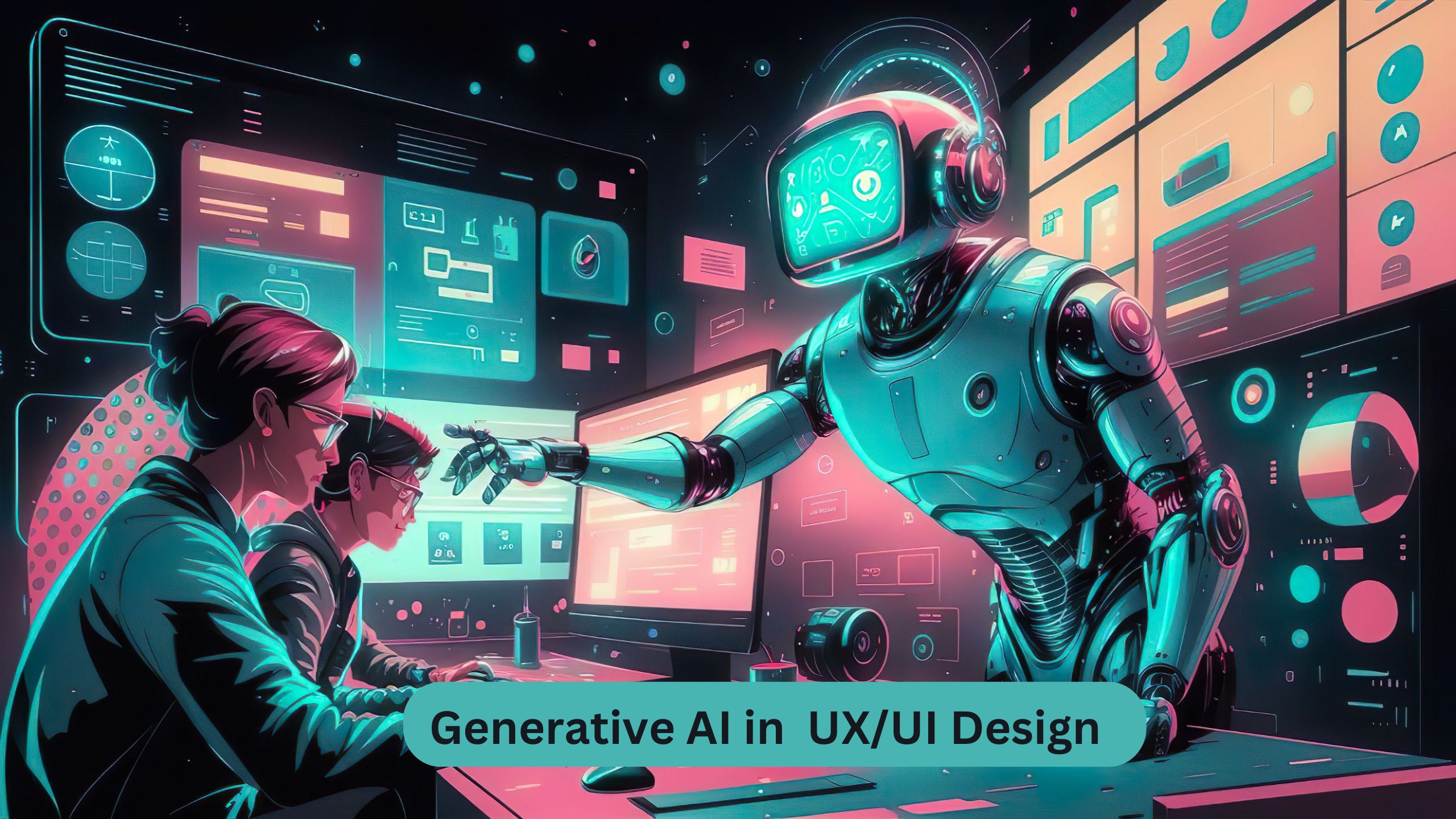
The field of user experience (UX) design is undergoing a transformation with the rise of generative artificial intelligence (AI) tools. From image generation to language models, these innovative technologies are reshaping how designers approach ideation, prototyping, and content creation. In this blog post, we'll dive into the potential impact of generative AI on UX design workflows, explore the benefits and ethical considerations, and provide examples of how to incorporate these tools into your design process effectively.
The Potential of Generative AI in UX Design
Generative AI tools like Midjourney, Runway, DALL-E, Jasper Art, Claude and ChatGPT have opened up new possibilities for designers. These tools can generate high-quality images, videos, and text based on natural language prompts, offering a wealth of creative possibilities. By leveraging generative AI, designers can rapidly explore diverse design concepts, visualize ideas, and iterate on prototypes more efficiently.
Rapid Prototyping and Concept Visualization
One of the most significant benefits of generative AI is its ability to accelerate the prototyping and concept visualization process. With tools like Midjourney, Jasper Art, Runway and DALL-E, designers can quickly generate visual assets, mockups, and illustrations based on their prompts. This streamlined approach allows for faster iteration and experimentation, enabling designers to explore a broader range of design directions before committing to a final concept.
Content Generation and Design Ideation
Generative language models like ChatGPT,Claude can also play a crucial role in design ideation and content generation. These AI assistants can provide designers with inspiration, suggestions, and even draft content based on their prompts. This can be particularly useful for tasks such as wireframing, user flow documentation, and creating design rationales, freeing up designers to focus on more strategic and creative aspects of their work.
Ethical Considerations and Guidelines
While generative AI offers exciting opportunities, it's essential to approach these technologies with caution and establish ethical guidelines. Concerns around bias, privacy, and intellectual property rights must be addressed to ensure responsible and fair use of these tools.
Addressing Bias and Fairness
Generative AI models can perpetuate biases present in their training data, leading to potentially harmful or discriminatory outputs. Designers must be vigilant in identifying and mitigating these biases, ensuring that their designs are inclusive and respectful of diverse user groups.
Privacy and Data Protection
The use of generative AI tools may involve the collection and processing of user data, raising privacy concerns. Designers should implement robust data protection measures, obtain proper consent, and prioritize user privacy throughout the design process.
Intellectual Property and Attribution
The outputs generated by AI tools can raise questions around intellectual property rights and attribution. Designers should carefully review the terms of use and licensing agreements associated with these tools and ensure proper attribution and compliance with applicable laws and regulations.
Incorporating AI into Your Design Process
To effectively integrate generative AI into your UX design workflow, consider the following strategies and examples:
Example 1:
Using Midjourney for Mood Board Creation
Describe how you used Midjourney to generate visually stunning mood boards for a recent design project. Explain the prompts you used, the iterative process, and how the generated images informed your overall design direction.
Example 2:
Leveraging ChatGPT for User Flow Documentation
Share an example of how you utilized ChatGPT to draft user flow documentation and design rationales. Discuss the time-saving benefits, the need for human review and editing, and how this approach allowed you to focus on higher-level design decisions.
Conclusion:
Generative AI tools have the potential to revolutionize UX design workflows, offering designers new avenues for creativity, rapid prototyping, and content generation. However, it's crucial to approach these technologies with ethical considerations in mind, addressing issues of bias, privacy, and intellectual property rights. By effectively incorporating generative AI into your design process while adhering to best practices, you can unlock new levels of efficiency and innovation in your UX design projects.
images are generated with AI image Generators.
The field of user experience (UX) design is undergoing a transformation with the rise of generative artificial intelligence (AI) tools. From image generation to language models, these innovative technologies are reshaping how designers approach ideation, prototyping, and content creation. In this blog post, we'll dive into the potential impact of generative AI on UX design workflows, explore the benefits and ethical considerations, and provide examples of how to incorporate these tools into your design process effectively.
The Potential of Generative AI in UX Design
Generative AI tools like Midjourney, Runway, DALL-E, Jasper Art, Claude and ChatGPT have opened up new possibilities for designers. These tools can generate high-quality images, videos, and text based on natural language prompts, offering a wealth of creative possibilities. By leveraging generative AI, designers can rapidly explore diverse design concepts, visualize ideas, and iterate on prototypes more efficiently.
Rapid Prototyping and Concept Visualization
One of the most significant benefits of generative AI is its ability to accelerate the prototyping and concept visualization process. With tools like Midjourney, Jasper Art, Runway and DALL-E, designers can quickly generate visual assets, mockups, and illustrations based on their prompts. This streamlined approach allows for faster iteration and experimentation, enabling designers to explore a broader range of design directions before committing to a final concept.
Content Generation and Design Ideation
Generative language models like ChatGPT,Claude can also play a crucial role in design ideation and content generation. These AI assistants can provide designers with inspiration, suggestions, and even draft content based on their prompts. This can be particularly useful for tasks such as wireframing, user flow documentation, and creating design rationales, freeing up designers to focus on more strategic and creative aspects of their work.
Ethical Considerations and Guidelines
While generative AI offers exciting opportunities, it's essential to approach these technologies with caution and establish ethical guidelines. Concerns around bias, privacy, and intellectual property rights must be addressed to ensure responsible and fair use of these tools.
Addressing Bias and Fairness
Generative AI models can perpetuate biases present in their training data, leading to potentially harmful or discriminatory outputs. Designers must be vigilant in identifying and mitigating these biases, ensuring that their designs are inclusive and respectful of diverse user groups.
Privacy and Data Protection
The use of generative AI tools may involve the collection and processing of user data, raising privacy concerns. Designers should implement robust data protection measures, obtain proper consent, and prioritize user privacy throughout the design process.
Intellectual Property and Attribution
The outputs generated by AI tools can raise questions around intellectual property rights and attribution. Designers should carefully review the terms of use and licensing agreements associated with these tools and ensure proper attribution and compliance with applicable laws and regulations.
Incorporating AI into Your Design Process
To effectively integrate generative AI into your UX design workflow, consider the following strategies and examples:
Example 1:
Using Midjourney for Mood Board Creation
Describe how you used Midjourney to generate visually stunning mood boards for a recent design project. Explain the prompts you used, the iterative process, and how the generated images informed your overall design direction.
Example 2:
Leveraging ChatGPT for User Flow Documentation
Share an example of how you utilized ChatGPT to draft user flow documentation and design rationales. Discuss the time-saving benefits, the need for human review and editing, and how this approach allowed you to focus on higher-level design decisions.
Conclusion:
Generative AI tools have the potential to revolutionize UX design workflows, offering designers new avenues for creativity, rapid prototyping, and content generation. However, it's crucial to approach these technologies with ethical considerations in mind, addressing issues of bias, privacy, and intellectual property rights. By effectively incorporating generative AI into your design process while adhering to best practices, you can unlock new levels of efficiency and innovation in your UX design projects.
images are generated with AI image Generators.
The field of user experience (UX) design is undergoing a transformation with the rise of generative artificial intelligence (AI) tools. From image generation to language models, these innovative technologies are reshaping how designers approach ideation, prototyping, and content creation. In this blog post, we'll dive into the potential impact of generative AI on UX design workflows, explore the benefits and ethical considerations, and provide examples of how to incorporate these tools into your design process effectively.
The Potential of Generative AI in UX Design
Generative AI tools like Midjourney, Runway, DALL-E, Jasper Art, Claude and ChatGPT have opened up new possibilities for designers. These tools can generate high-quality images, videos, and text based on natural language prompts, offering a wealth of creative possibilities. By leveraging generative AI, designers can rapidly explore diverse design concepts, visualize ideas, and iterate on prototypes more efficiently.
Rapid Prototyping and Concept Visualization
One of the most significant benefits of generative AI is its ability to accelerate the prototyping and concept visualization process. With tools like Midjourney, Jasper Art, Runway and DALL-E, designers can quickly generate visual assets, mockups, and illustrations based on their prompts. This streamlined approach allows for faster iteration and experimentation, enabling designers to explore a broader range of design directions before committing to a final concept.
Content Generation and Design Ideation
Generative language models like ChatGPT,Claude can also play a crucial role in design ideation and content generation. These AI assistants can provide designers with inspiration, suggestions, and even draft content based on their prompts. This can be particularly useful for tasks such as wireframing, user flow documentation, and creating design rationales, freeing up designers to focus on more strategic and creative aspects of their work.
Ethical Considerations and Guidelines
While generative AI offers exciting opportunities, it's essential to approach these technologies with caution and establish ethical guidelines. Concerns around bias, privacy, and intellectual property rights must be addressed to ensure responsible and fair use of these tools.
Addressing Bias and Fairness
Generative AI models can perpetuate biases present in their training data, leading to potentially harmful or discriminatory outputs. Designers must be vigilant in identifying and mitigating these biases, ensuring that their designs are inclusive and respectful of diverse user groups.
Privacy and Data Protection
The use of generative AI tools may involve the collection and processing of user data, raising privacy concerns. Designers should implement robust data protection measures, obtain proper consent, and prioritize user privacy throughout the design process.
Intellectual Property and Attribution
The outputs generated by AI tools can raise questions around intellectual property rights and attribution. Designers should carefully review the terms of use and licensing agreements associated with these tools and ensure proper attribution and compliance with applicable laws and regulations.
Incorporating AI into Your Design Process
To effectively integrate generative AI into your UX design workflow, consider the following strategies and examples:
Example 1:
Using Midjourney for Mood Board Creation
Describe how you used Midjourney to generate visually stunning mood boards for a recent design project. Explain the prompts you used, the iterative process, and how the generated images informed your overall design direction.
Example 2:
Leveraging ChatGPT for User Flow Documentation
Share an example of how you utilized ChatGPT to draft user flow documentation and design rationales. Discuss the time-saving benefits, the need for human review and editing, and how this approach allowed you to focus on higher-level design decisions.
Conclusion:
Generative AI tools have the potential to revolutionize UX design workflows, offering designers new avenues for creativity, rapid prototyping, and content generation. However, it's crucial to approach these technologies with ethical considerations in mind, addressing issues of bias, privacy, and intellectual property rights. By effectively incorporating generative AI into your design process while adhering to best practices, you can unlock new levels of efficiency and innovation in your UX design projects.
images are generated with AI image Generators.
Other Articles

© Copyright 2024. All rights Reserved. mesaifali
© Copyright 2024. All rights Reserved. mesaifali

Available for Work
Available for Work
Available for Work
Available for Work